
Best for Luxury
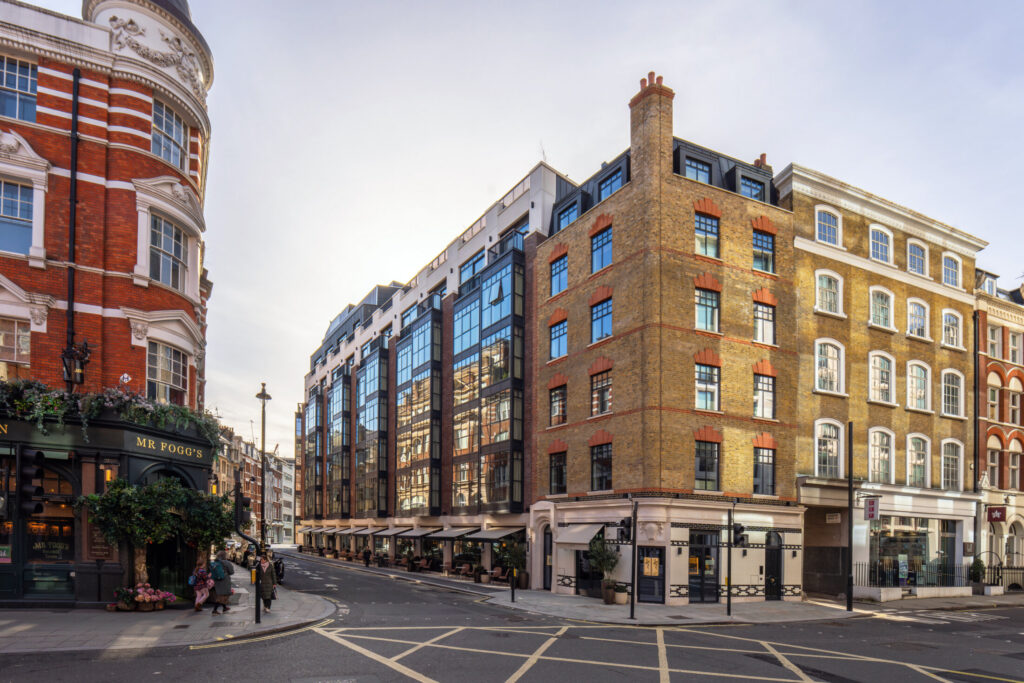
The Newman
Awarded with "London Hotel of the Year 2026" by The Times
From
£350/night

Photo by Chuko Cribb on Unsplash
The London Boutique Hotel Guide — 2026 Edition
London has over 1,500 hotels — but only a handful feel like they were made for you. An independent, editorially-curated guide to the ones that do.
Explore the GuideThe Approach
earch for a hotel in London and you'll drown in results — global chains, serviced apartments, budget hostels dressed up in Instagram filters, and genuine design-led gems all competing for the same search page. Knowing how to tell them apart, and finding the one that fits your trip, takes either experience or a guide that's done the work for you.
This is that guide. We've organised London's best boutique hotels across three axes: neighbourhood, style, and budget. Whether you're a first-time visitor trying to figure out which part of the city to base yourself in, a design lover, a couple looking for something romantic, or a solo traveller who wants a bed, great coffee, and a lobby worth lingering in — there's a section here for you.
Design quality
A distinct identity, considered rooms, art chosen with a point of view.
Verified guest ratings
Used as a useful trust signal alongside editorial judgement, never the final word.
Neighbourhood character
Hotels genuinely embedded in their area, not just physically located there.
Value at the price point
Priced against what the stay actually delivers.
Every recommendation is editorial. Nothing on this site is a paid placement.
Quick Reference
Six hotels that lead their categories — chosen on merit, priced for context.
Best for Luxury
Awarded with "London Hotel of the Year 2026" by The Times
Best Budget Boutique
Design-forward, bespoke commissioned artwork throughout. No catalogue prints in sight.
Best Hipster Vibe
Creative energy, free breakfast in a bag, and a lobby that functions as a genuine community hub.
Best for Couples
Cocktail lounge, intimate rooms, and Clerkenwell's quiet-but-interesting energy.
Best for Wellness
London's first mindfulness hotel — the wellness ethos is structural, not decorative.
Best Historic Character
Georgian townhouse directly opposite the British Museum. Breakfast included.
By Neighbourhood
Neighbourhood 01
A refined central London neighbourhood where elegant Georgian streets meet independent cafés, acclaimed restaurants, galleries, and effortless access to Soho, Marylebone, and the West End.
The Newman
Contemporary five-star luxury with beautifully designed interiors, a wellness-focused atmosphere, and impeccable service.
The London EDITION
A design icon blending Ian Schrager's signature style with one of London's most celebrated hotel bars, Punch Room.
Charlotte Street Hotel
Bold British interiors, exceptional personal service, and one of Fitzrovia's most charming locations just moments from Soho.

Neighbourhood 02
The hipster heartland — street art, independent coffee, and a nightlife scene that ranges from underground club nights to rooftop bars.
One Hundred Shoreditch
Bespoke commissioned artwork throughout. No catalogue prints in sight.
The Hoxton Shoreditch
The original lobby-as-community-space — still doing it better than most.
Boundary Shoreditch
Quieter, restaurant-led, with a rooftop bar that's one of East London's best-kept secrets.
Neighbourhood 03
Central London's creative core — theatres, galleries, Seven Dials, and some of the city's best restaurants a step from the door.
The Resident Soho
Welcome wine and calm elegance in the middle of everything. 4.8/5.
The Resident Covent Garden
Travellers' Choice Best of the Best. 4.9/5 across 2,761 reviews.
AMANO Covent Garden
Clean European lines, a working roof terrace, and an excellent West End location.


Neighbourhood 04
Classic luxury reimagined — old money, art galleries, and a Marylebone high street that still feels residential.
The Adria
Townhouse scale with genuinely personalised service — you're a guest here, not a room number.
The Soho Hotel
Kit Kemp's masterpiece of bold pattern, sculptural furniture, and original commissioned art.
Charlotte Street Hotel
The Bloomsbury Group, layered and literary — drawing rooms among the most photographed hotel interiors in London.
Neighbourhood 05
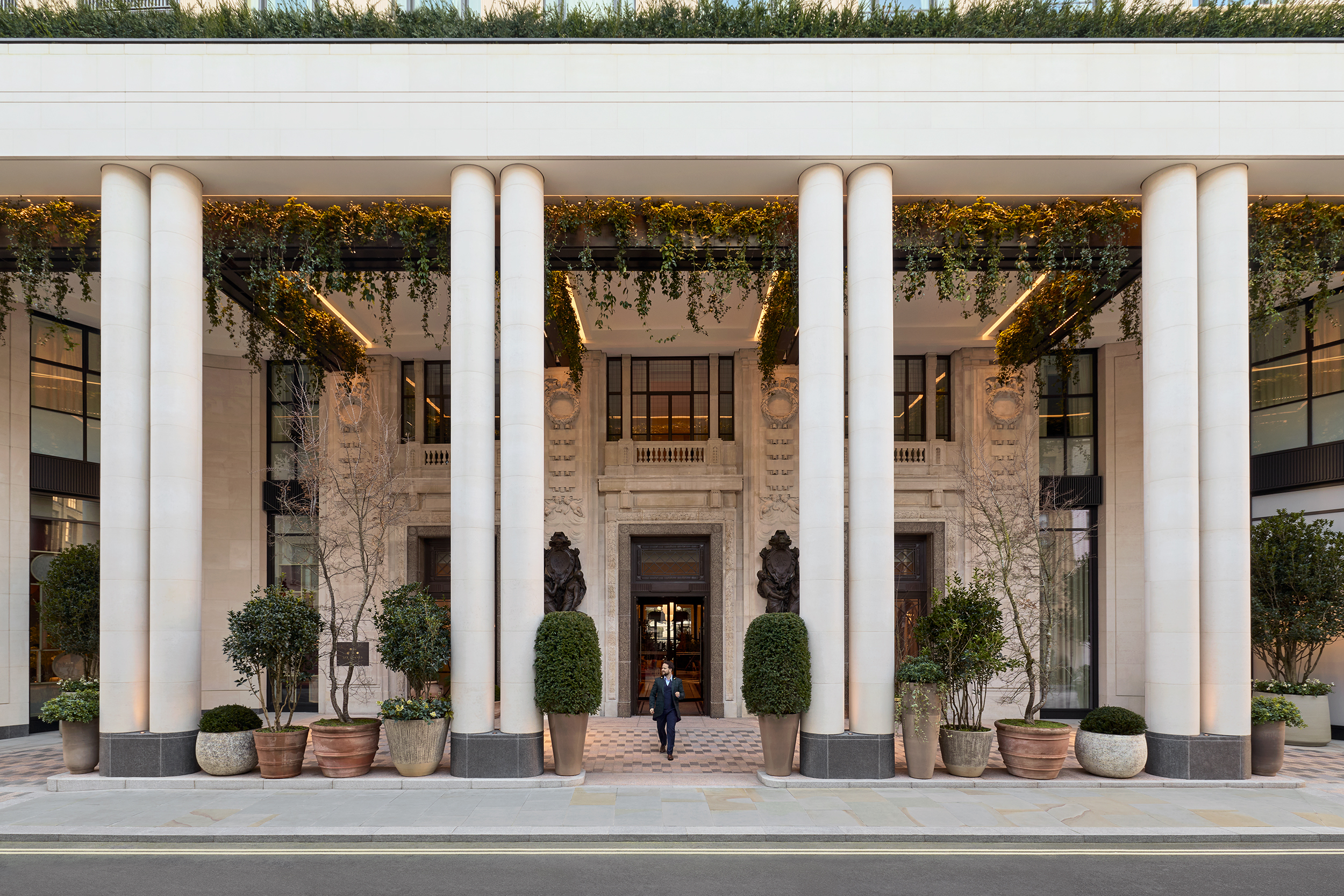
Calm, mindful and underrated — Hyde Park on the doorstep, excellent transport links, and a first-principles wellness hotel.
Inhabit Southwick Street
London's first mindfulness hotel. Scandi-inspired throughout — the wellness ethos is structural, not decorative.

Neighbourhood 06
Culture-led stays — Tate Modern, the Globe, the BFI, and streets that feel very different on a Tuesday and a Saturday.
Lost Property St Paul's
Restored Georgian building. 4.9/5 across 1,830 reviews — Travellers' Choice Best of the Best.
The Montague on the Gardens
Directly opposite the British Museum. 4.8/5 across 6,105 reviews. Breakfast included from £286/night.
On Boutique Hotels
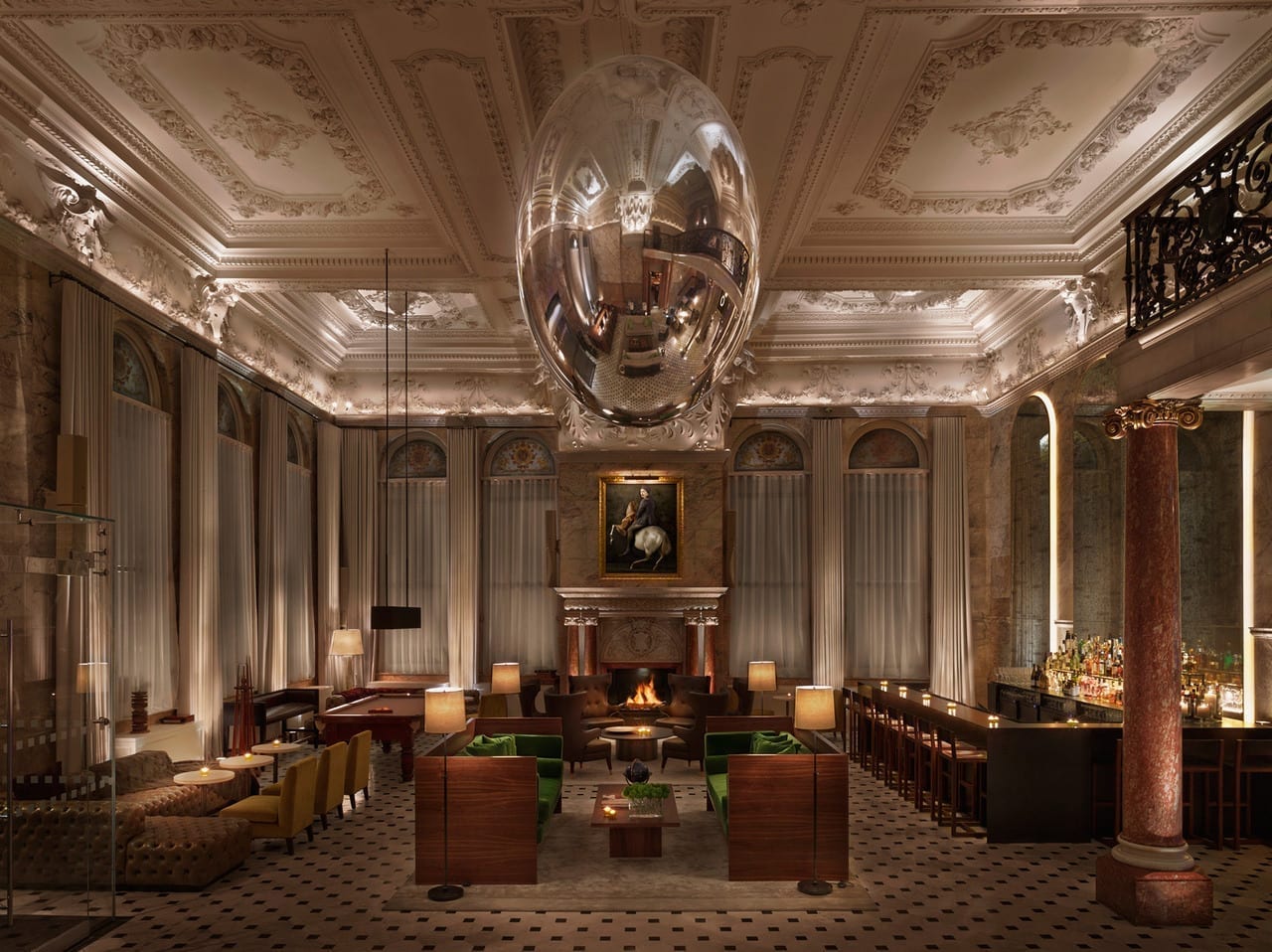
A boutique hotel is typically independently spirited, design-led, and small — usually fewer than 100 rooms. The defining characteristic isn't size, though. It's intention.
Where a chain hotel is designed to be consistent and frictionless across every property worldwide, a boutique hotel is designed to be specific — to a place, an aesthetic, a philosophy. The art on the walls was chosen by someone with a point of view. The bar menu reflects the neighbourhood. The front desk team can tell you which café around the corner does the best flat white and which one to avoid.
The best London boutique hotels share a few consistent qualities: rooms that feel considered rather than assembled from a catalogue, staff who treat local knowledge as part of the job, public spaces worth spending time in, and a scale that allows for actual service rather than managed transactions.
Start with neighbourhood, then style, then budget — in that order. Location determines how you experience the city. Style determines how you feel in the hotel. Budget determines your options within those two filters.
Every hotel in this guide was chosen on the basis of design quality, verified guest ratings, neighbourhood character, and value at its price point. Recommendations are editorial. Nothing is a paid placement.

Photo by Samuel Quek on Unsplash
What to Look For
The hotel itself is only part of the equation. These are the practical factors that separate a great London boutique stay from an expensive disappointment.
Location & Transport
Zone 1 covers the central area — Soho, Covent Garden, Mayfair, the City, South Bank. Zone 2 includes Shoreditch (on the boundary) and areas slightly further out. Staying in Zone 1 means you can walk to many major attractions; Zone 2 typically means lower rates and a 10–20 minute Tube ride, which is rarely a hardship. The Elizabeth line has dramatically improved east-west connectivity, and the Night Tube on key lines means late nights don't require taxis.
Rooms & Amenities
Boutique hotels are often converted Georgian or Victorian townhouses — rooms can be genuinely small, with irregular shapes, low ceilings on upper floors, and limited storage. Look for square footage in the room description (anything under 18 sq m is compact for two), storage configuration, workspace provision if you're travelling for work, and natural light. Courtyard-facing rooms in converted buildings can be very dark.
Working From Your Hotel
The Hoxton Shoreditch's lobby is the gold standard — reliable WiFi, plenty of power points, good coffee, and a buzz that's energising rather than distracting. Leman Locke takes a different approach: apartments with proper desk provision and kitchen facilities. Before booking any property for a working trip, check three things — confirmed WiFi speed, desk provision in the room, and whether the common areas have a working atmosphere.
Dining & Bars
Boundary Shoreditch's rooftop bar is genuinely one of East London's best. The Hoxton's lobby bar has a consistent energy throughout the day and evening. The Zetter Townhouse's cocktail lounge is a London institution in its own right. The Montague's terrace garden is a summer evening destination that most guests don't fully appreciate until they're sitting in it.
Sustainability
Look for properties with B Corp certification, Green Tourism accreditation, or membership of the Sustainable Hospitality Alliance. These aren't marketing claims; they're audited standards. Inhabit Southwick Street leads the pack — the wellness-first philosophy extends to environmental practice. When sustainability matters, ask the hotel directly rather than relying on website claims — the quality of the response tells you a lot.
When to Book
Six to eight weeks in advance is the sweet spot for most London boutique hotels — close enough that rooms are priced to fill, far enough out that the best room categories haven't been taken. February (excluding Valentine's weekend) and November are consistently the cheapest months. Direct booking almost always beats OTA pricing — by £15–£40 per night in many cases, or through added perks (room upgrade, late checkout, welcome amenity).
Frequently Asked
These are the questions travellers ask most often when planning a boutique hotel stay in London. The answers are honest rather than promotional.
It depends entirely on what you want from your trip — and that's not a hedge, it's genuinely the answer. Shoreditch is the choice for creative energy and independent culture. Covent Garden and Soho put you in the middle of the West End. Mayfair delivers classic luxury with a London-specific character. Paddington is ideal if you're arriving from Heathrow, prioritising wellness, or want a calmer base. Bloomsbury is the choice for culture lovers and anyone visiting the British Museum. If it's your first time in London, the West End or Bloomsbury gives you the easiest access to major attractions while keeping you in genuinely interesting neighbourhoods.
The range is wider than most people expect. Genuine boutique quality starts at around £200/night — properties like One Hundred Shoreditch and Leman Locke deliver real design credentials at that level. Mid-range boutique (£200–£350) is arguably London's most interesting segment, where The Montague on the Gardens (from £286 with breakfast) represents exceptional value. Luxury boutique starts at £350+ and can reach £600 or more at properties like The Soho Hotel. Price the total experience, not just the room rate.
'Boutique' refers to size, character, and independence — it describes the type of hotel. 'Luxury' refers to the service tier and price point — it describes the level. The two can overlap (The Soho Hotel is both) but they don't have to. The Hoxton Shoreditch is boutique but not luxury. The Dorchester is luxury but not boutique. When comparing options, ask both questions separately — what type is it, and what level is it? — and you'll avoid a lot of confusion.
The Zetter Townhouse in Clerkenwell is consistently the top recommendation — the cocktail lounge, the intimate room scale, and the neighbourhood's quiet-but-interesting energy make it ideal for a romantic stay. The Soho Hotel and Charlotte Street Hotel are excellent for a special occasion — the design is genuinely impressive and the service is attentive without being intrusive. Inhabit Southwick Street suits couples who want a wellness-focused, genuinely calming experience together. For a central option, The Resident Soho's elegant décor and welcome wine set the right tone immediately.
Yes — and it's worth specifically filtering for this, because breakfast in London can add £20–£35 per person per day. The Montague on the Gardens (from £286) includes breakfast in the rate, which is one of the reasons it represents such strong value in the mid-range bracket. The Hoxton's 'breakfast in a bag' — granola, banana, yoghurt, orange juice, left outside your door — is included in the room rate and is a consistently appreciated touch. Some Resident properties offer breakfast packages worth checking at the time of booking.